

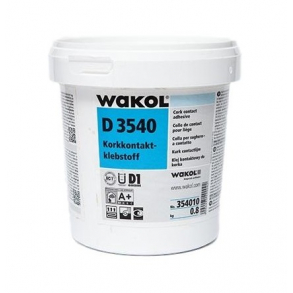
Cork contact adhesive Wakol D 3540 0,8kg
WakolD3540-0,8
- secure payment!
- cheap shipping!
- express delivery!
- cheap shipping!
- express delivery!
In stock
131,74 USD
(excl. VAT)

Images and mock-ups show how cork appears under professional studio lighting. Actual colors may shift slightly depending on screen and lighting conditions.
Think revamping your interior means draining your savings and hiring a construction crew? That mindset often leads to delays — seasons pass, and your home still lacks that spark. But here's the good news: you can revitalize your space affordably and easily, with no pros required. Meet the Honeycomb 3D Cork Wall Panels Beige (RAL 1001) — naturally sourced, hassle-free to install, and visually stunning. And the best part? You get to proudly say, “I did it myself.”

Creative Aesthetic

Non-Toxic Material

Top-Tier Craftsmanship

Eco-Friendly Footprint

Built to Last

Effortless Cleaning
The Honeycomb design mimics a natural beehive — geometric and layered. When installed, the panels form a modern 3D texture. The play of light and shadow adds depth, giving your wall an eye-catching, ever-changing vibe.
Cork is an organic material and reacts to its environment. It needs to rest in the installation area for at least 72 hours to adapt to temperature and humidity. This simple step helps avoid issues like detachment or warping later.
Skipping acclimation? Risky. You might end up with panels that peel off or don’t stay put. Letting them sit ensures long-lasting results.
Preferably not. Panels adhere best on flat, even, and clean walls. Bumps or crooked areas may create gaps or misaligned joints.
Nope. Old wallpaper can loosen over time and take the panels down with it. Plus, trapped dirt and flaws beneath reduce adhesion. It's smarter to strip and prep the wall first.
One tile equals about 0.02 m². So, to cover 1 square meter, you'll need around 50 tiles.
Generally, they’re barely visible. Letting the panels rest in the room beforehand helps reduce any shifts or expanding that could create gaps.
It's super easy — grab a soft cloth or feather duster. For tougher spots, use a mild cork-safe cleaner.
Important: steer clear of harsh chemicals like bleach, acetone, or chlorine — they can damage cork fibers.
Definitely. Cork outperforms many traditional finishes. Wallpaper can tear, paint scuffs, and tiles feel cold. Cork? It’s soft to the touch, holds up well against wear, and adds warmth and acoustic comfort.
We advise caution in very bright spaces. Like wood, cork is natural and may fade with constant direct sunlight. If used near windows, consider curtains or placing them out of direct rays.
Looking to give your home a cozy, nature-inspired vibe—without tearing everything apart? Sure, painting is quick, but it chips and fades. Wallpaper? Stylish at first, but it stains and peels before you know it. Cork wall décor brings something different to the table: it’s warm, inviting, and built to last.

Inspired by the geometry of honeycombs, this wall paneling offers rich texture and natural matte tones. It creates depth and character, turning plain walls into eye-catching features. You’ll get a modern look—without sacrificing that organic, grounded feel that only real cork can offer.
Trendy finishes fade fast. Cork, on the other hand, is a classic with staying power. Concrete and stone may look cool, but they often feel cold and sterile. Plastic? It dulls over time and leaves behind environmental waste. Cork doesn’t just hold up—it gets better with age, adding natural charm and richness year after year.
Naturally dust-repellent and hypoallergenic, cork is a smart choice for families, pet owners, and anyone with sensitivities. It helps maintain a balanced indoor climate by regulating moisture levels, keeping your space more comfortable year-round.
The non-glossy surface isn’t just stylish—it’s super low-maintenance. You won’t have to worry about fingerprints, reflections, or smudges showing up like they do on tiles or glass. Less wiping. Less scrubbing. More time for you.
There’s no need to hire a crew. You can install cork panels yourself using basic tools and the right adhesive. A roller and a steady hand are all it takes to transform your wall into something special.
What you get in return? A sense of accomplishment and a space that truly feels like your own. And let’s be honest—it’s pretty satisfying to say, “Yep, I did that myself.”
Cork is naturally great at absorbing sound, which helps reduce echo and noise in open rooms or apartments. It’s not just about how it looks—the cellular structure of cork actually blocks sound waves, making your home feel quieter and calmer.
It also adds a layer of thermal protection, keeping warmth inside during winter and helping to block heat in the summer. That’s energy savings—and extra comfort—all in one.
Cork is harvested from the bark of cork oak trees—without harming or cutting them down. The bark regenerates every 9 to 12 years, so it’s a truly renewable material.
Unlike synthetic wall panels, cork is 100% biodegradable and earth-friendly. Going with 3D cork isn’t just a design decision—it’s a sustainable one that supports our planet.
| Model | 3D Honeycomb |
| Format | Tile |
| Color | Yellow |
| Side length | 86 mm |
| Length | 174 mm |
| Width | 150 mm |
| Thickness | 6-35 mm (at the thickest point) |
| Material | Natural cork |
| Coverage | 0.02 m² (one tile) |
| Number of tiles needed per 1 m² | Min. 50 tiles |
| Installation | Glue |
| Consumption of Wakol D-3540 Adhesive | 0.8 kg - around 170 tiles, 2.5 kg - around 600 tiles |
| Diagonal | 173 mm |
| Adhesive layer | No |
| Possibility of return | no return possible (custom made product) |
D3540-0,8
In stock
131,74 USD
(excl. VAT)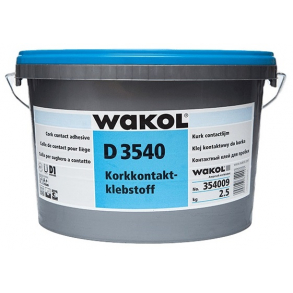
D3540-2,5
In stock
147,86 USD
(excl. VAT)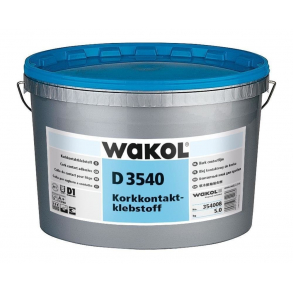
D3540-5,0
In stock
169,75 USD
(excl. VAT)
041004005
- secure payment!
- cheap shipping!
- express delivery!
In stock
149,00 USD
(excl. VAT)
3083
In stock
128,51 USD
(excl. VAT) Secure payments
 cheapest delivery
 Highest quality
 Satisfaction Guarantee