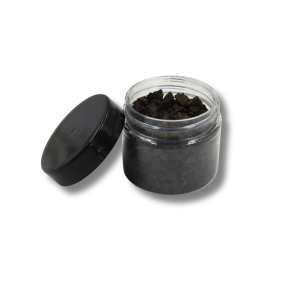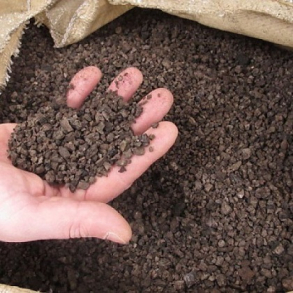
Granulated cork insulation

Many homeowners hesitate to step away from conventional insulation materials out of concern that something might go wrong. So they stick with what’s familiar—even if it’s outdated—and end up dealing with fixes and inefficiencies down the road. Expanded cork granules offer a smarter, worry-free alternative. This eco-friendly, loose-fill insulation is top-tier in both quality and performance, outperforming traditional cork in a number of applications. It's especially ideal for irregular spaces where rigid panels just won’t fit.


Curious About Expanded Cork Granules? Find Out What Makes Them Different!

WHAT GRANULE SIZES ARE AVAILABLE?

Choose the right size for your project from four available granule size ranges: 2–4 mm, 2–9 mm, 4–8 mm, and 3–15 mm.

WHAT MAKES EXPANDED CORK DIFFERENT FROM REGULAR CORK?

Expanded cork is a renewable, plant-based insulation material made from the bark of cork oak trees. It's the same natural resource traditionally used to manufacture wine bottle stoppers. Once processed, it becomes a collection of irregularly shaped, ultra-lightweight granules with a distinctive deep brown appearance.

What sets this material apart is how it's manufactured. Natural cork is exposed to high temperatures without adding chemical binders or synthetic ingredients. Heat activates suberin, a naturally occurring component of cork that helps bond the material together. As the cork expands, it develops a darker color and a lightweight, porous structure. This transformation improves its insulating performance compared with untreated cork, helping reduce heat transfer while delivering excellent sound absorption.

WHERE CAN EXPANDED CORK GRANULES BE USED?

One of the most popular applications is residential and commercial construction. Expanded cork granules work as natural thermal and acoustic insulation, particularly in areas where traditional insulation batts or rigid foam boards are difficult to install. Because the material is loose-fill, it can flow into irregular spaces and hard-to-reach cavities. Common applications include:

  • insulating attics, floors, and walls, along with narrow gaps and hard-to-access areas (the loose-fill format makes installation straightforward),
  • filling interior wall cavities, insulated partitions, and double-wall assemblies,
  • sloped roofs, with loose-fill insulation placed between roof rafters,
  • empty spaces and concealed cavities beneath flooring systems,
  • filling gaps and leveling uneven surfaces in ceilings and subfloors,
  • dry screed flooring systems,
  • lightweight floor assemblies.

Beyond construction projects, expanded cork granules offer plenty of creative and practical possibilities:

  • as a natural substrate for exotic animal terrariums (the material is 100% natural and completely safe),
  • as decorative mulch for flowers and landscaping, providing a sustainable alternative to pine bark,
  • on movie sets, where the granules can resemble dirt or debris for special effects involving explosions and collapsing structures,
  • in scale models and dioramas, where they create a realistic appearance of dark, natural soil.

HOW LONG CAN EXPANDED CORK INSULATION LAST?

Expanded cork can maintain its insulating performance for up to 50 years without losing effectiveness. It does not absorb moisture, support mold growth, or rot.


Anyone who's tackled an insulation project knows that the smallest spaces can cause the biggest headaches. Tight wall cavities, awkward corners, and oddly shaped gaps aren't easy to cover with conventional insulation products. Spray foam may seem like the only practical choice, yet even that doesn't always reach every hidden opening. Expanded cork granules offer a simpler approach. There's no need for precision cutting or time-consuming fitting and trimming. Just pour the granules into the area and distribute them evenly. The loose material naturally follows the contours of the space, making it easier to fill narrow openings and irregular cavities.


Insulation shouldn't become another maintenance project. Some materials require repeated inspections, repairs, or replacement, adding more work and expense over time. Expanded cork is designed with long-term performance in mind. Once properly installed, the granules can continue doing their job for decades. You won't need to tear everything apart a few months later simply because the insulation has stopped performing as expected. It's a practical option for homeowners, contractors, and builders who value lasting results.


Weight is another factor that deserves attention, especially when upgrading older buildings, finishing attics, or working with lightweight floor systems. High-performance insulation can sometimes add considerable weight to a structure. Expanded cork granules help solve that problem: they're exceptionally lightweight. You can improve thermal comfort without unnecessarily increasing the load on floors, ceilings, or supporting components. With expanded cork, effective insulation and a lightweight building assembly can go hand in hand.


Sustainability is built into the material's origins. Cork bark can be harvested without cutting down the tree. Only the outer bark is removed, and the cork oak naturally grows a new layer over time. Expanded cork granules are produced from this renewable resource without chemical additives or emissions during manufacturing, often using energy generated from biomass. Cork oak trees also play an important environmental role: they can absorb several times more CO₂ than many other tree species, making them valuable contributors to efforts to address climate change.