Cork model railway roadbed ballast

Building a realistic model railroad takes more than careful planning and detailed scenery. The foundation beneath the tracks plays a major role in achieving an authentic look and smooth operation. That is why many hobbyists choose natural cork as a track bed material. Lightweight, easy to cut, and highly effective at reducing noise and vibration, cork helps recreate the appearance of a real railway embankment while improving the overall performance of the layout. For model railroad enthusiasts striving for realism, natural cork remains a trusted and practical choice.


No products found.

Looking for more information? We've got the answers.

WHAT IS CORK ROADBED FOR MODEL RAILROADS?

Cork roadbed is a natural material widely used in model railroad construction. Installed beneath the track, it creates a reliable foundation that improves both the appearance and performance of a layout. It helps replicate the profile of a real railroad line while providing support for smooth operation.

WHY DO MODELERS CHOOSE NATURAL CORK?

Natural cork has long been a preferred material among railroad hobbyists because of its unique physical properties. Its cellular structure contains countless microscopic air pockets that help absorb vibration and reduce sound transmission throughout the layout.

Unlike some alternative materials, cork combines flexibility with long-term durability. It maintains its shape well over time and provides a consistent base for track installation, helping preserve proper alignment.

Many hobbyists also appreciate its natural appearance. The texture and color blend easily into scenery projects and provide a realistic starting point for ballast, terrain, and landscape detailing.

In addition, cork is a renewable and environmentally responsible material. For builders looking to reduce their reliance on synthetic products, it offers a practical and proven alternative.

WHAT PRODUCTS ARE AVAILABLE IN THIS CATEGORY?

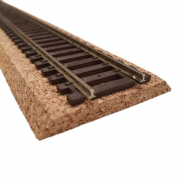
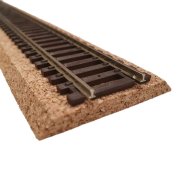
You'll find cork roadbed strips designed specifically for installation beneath model railroad track. These pre-cut profiles feature angled sides that mimic the raised profile of a real railroad embankment and are especially popular for HO scale layouts.

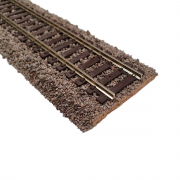
The category also includes cork ballast, a lightweight cork aggregate developed to recreate the appearance of prototype railroad ballast. It can be applied between ties, alongside rails, and on embankments to enhance realism throughout the scene.


Building a realistic model railroad starts with choosing the right foundation. While track, locomotives, and scenery often receive the most attention, the material beneath the rails plays an equally important role. Cork roadbed has become a trusted solution because it combines practical performance with a natural look that fits almost any layout style.


One of its biggest advantages is vibration control. As trains move around the layout, mechanical vibrations can travel through the benchwork and amplify operating noise. Cork helps dampen these vibrations before they spread, creating a quieter and more enjoyable operating experience. This benefit becomes even more noticeable on larger layouts or when running longer trains.


Another reason cork remains popular is its ease of use. It can be cut with common hobby tools, shaped around curves, and adapted to turnouts without difficulty. Whether you're building a small switching layout or an extensive railroad empire, cork simplifies installation while helping maintain consistent track geometry.


For modelers focused on realism, cork provides additional advantages. Cork ballast and roadbed work together to recreate the appearance of full-size rail infrastructure without adding excessive weight to the layout. The material's natural texture blends seamlessly with scenery elements and helps create a convincing railroad environment. Combining durability, versatility, and authentic visual appeal, cork remains one of the most practical materials available for model railroad construction.