

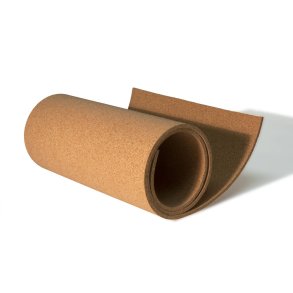
Cork decking for marine boats SeaKork 5mm x 1m Cork boat deck flooring LIGHT
Cork MinistryRK-5U-M
- secure payment!
- cheap shipping!
- express delivery!
- cheap shipping!
- express delivery!
In stock
239,22 USD
(excl. VAT)

Does your boat deck become dangerously slippery after rain? And on hot summer days, does the surface heat up so much that walking barefoot becomes uncomfortable? These situations are more than a minor annoyance. Many boat owners describe similar experiences: “After a storm you really need to watch every step,” “Kids run around the boat and you constantly keep an eye on them,” or “When the sun is strong, the deck feels scorching underfoot.” What can you do about it? Marine Cork? Sea Cork? Not exactly. In many cases, natural cork boat lining offers a practical alternative. Instead of installing heavy synthetic deck systems or adding another layer of artificial materials, you can choose a natural solution that improves traction while limiting heat buildup. This guide will help you decide whether cork could be the right option for your boat deck.

Slip-Resistant Surface

Natural Material

Safe

Resistant to Marine Conditions

Long-Lasting

Comfortable to Walk On
If your deck tends to be slippery and gets extremely hot in the sun, cork may provide a practical solution that improves safety without adding unnecessary weight to your vessel.
What makes cork unique? Its structure contains millions of tiny air-filled cells. Because of that:
There’s also the visual appeal — cork looks natural, refined, and timeless. It adds warmth and character to the deck without appearing overly technical or plastic-like.
When might cork not be the ideal solution?
Yes — the material is sold by surface area. Maximum roll lengths are:
Not sure which version is right for your boat? Tell us more about your project — you’re welcome to send photos of the deck as well. We’ll gladly recommend the most suitable option.
When comparing wood and cork for marine decks, keep in mind that cork is considerably lighter, which can help reduce the overall weight of the boat.
Because of its porous structure, cork also offers better traction. This lowers the risk of slipping, particularly when the surface is wet. Even treated wooden decks can sometimes remain slippery.
EVA foam is often lighter and less expensive, but under strong sunlight it can become hotter than cork. Over time, it may also lose its surface texture. Cork is a natural material, pleasant to the touch, and typically ages more gracefully.
Yes. Cork flooring can easily be trimmed to match unique deck shapes or dimensions.
Tip — before cutting natural cork, measure carefully and plan the layout to ensure the material is used efficiently.
Start with precise cutting and routing to create lines or decorative patterns. Then fill the joints with BOSTIK Simson MSR Deck Caulk Advance, a sealant designed specifically for marine use. Once it cures, sand the entire surface to achieve a uniform finish.
Finally, apply CorkCoat to improve durability and enhance the natural appearance of the cork.
Yes! Cork’s non-slip surface increases safety onboard. Its naturally hypoallergenic and antistatic properties also make it a suitable choice for people with allergies or asthma.
It only takes a brief moment of distraction, wet shoes, or a quick movement while docking for things to go wrong. Slipping on a boat deck is more than an inconvenience — it can lead to injury, ruin a day on the water, and turn a relaxing outing into a situation where you watch every step you take. Instead of focusing on the scenery and the experience, your attention shifts to staying upright. Non-slip boat decking made from natural cork addresses the issue where it starts. Boat owners who want a safer surface without adding extra weight or more synthetic materials to the deck often choose this solution. A reliable yacht deck begins with selecting the right material.

Anyone who spends time boating understands how demanding the marine environment can be. Sun exposure, moisture, saltwater, and temperature swings constantly challenge deck materials. That’s why choosing the right deck surface matters — not only for appearance, but especially for practical performance. Natural cork performs exceptionally well in these conditions. Unlike wood, it doesn’t rot, and compared with many synthetic surfaces it absorbs less heat and maintains comfort even in strong sunlight. It also tolerates salt exposure very well.
We frequently hear from boat owners after a couple of seasons with synthetic decking that has started peeling, fading unevenly, or wearing out faster than expected. What seemed like a budget-friendly choice at first often turns into a costly replacement. That’s why natural cork is often selected when long-term reliability matters. While the initial investment may be higher, it pays off when your boat is meant to be enjoyed for many seasons to come.
Style matters on a boat, but function always comes first. Once the practical side is covered, the deck should also complement the vessel’s design. Cork achieves both.
Its warm natural color tones and distinctive texture create a clean, refined appearance without looking artificial. Because of this, cork decking blends seamlessly with classic sailing yachts as well as modern powerboats.
For boat owners who prefer natural materials over additional synthetic layers, cork offers a responsible alternative. It is harvested from the bark of the cork oak without cutting down the tree, making it a renewable resource. The bark naturally regenerates every 9–12 years, and harvesting does not damage the tree. In fact, responsible harvesting can help cork oaks live well beyond 150–200 years.
Cork production also carries a relatively small environmental footprint. Cork oak forests capture CO₂ as they grow, and the material itself is both biodegradable and recyclable. Unlike synthetic deck materials, cork is not petroleum-based and does not contribute to microplastic pollution. It’s a thoughtful option for boat owners who care about what their deck is made from.
| Format | Roll |
| Color | Natural |
| Density | 200–220 kg/m³ |
| Maximum length of one roll | 30 m |
| Width | 1 m |
| Thickness | 4 mm |
| Material | Natural cork |
RK-5U-M
In stock
239,22 USD
(excl. VAT)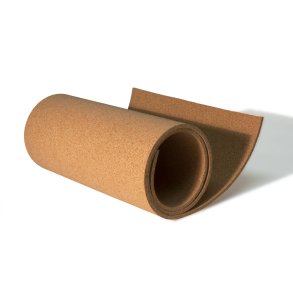
RK-6U-M
In stock
243,97 USD
(excl. VAT)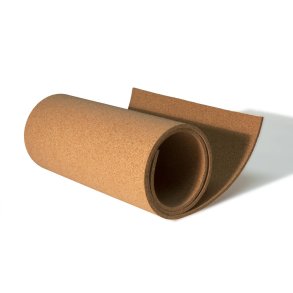
RK-8U-M
In stock
253,45 USD
(excl. VAT)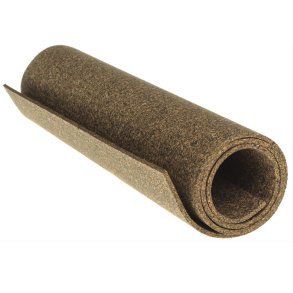
R1521-4-M
In stock
156,78 USD
(excl. VAT)Customers who bought this product also bought
RK-5U-M
In stock
239,22 USD
(excl. VAT)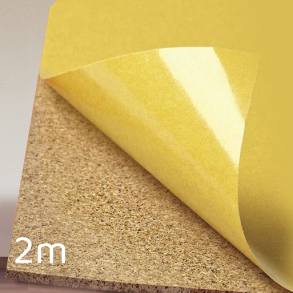
RKS5
In stock
159,15 USD
(excl. VAT)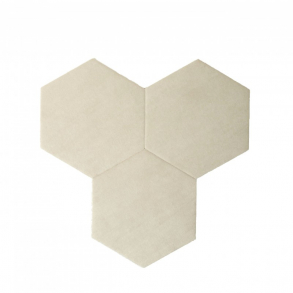
T007
In stock
25,71 USD for 5 pcs.
(excl. VAT)
53392
- secure payment!
- cheap shipping!
- express delivery!
In stock
148,60 USD
(excl. VAT) Secure payments
 cheapest delivery
 Highest quality
 Satisfaction Guarantee