FREE SHIPPING FOR ALL ORDERS. ORDER NOW!

Currency:

Cork leather fabric

Today’s market offers an incredible range of fabrics and veneers — countless colors, patterns, and surface textures to choose from. Yet the moment you start searching for something that truly feels natural, the options often become surprisingly limited. Plastic-like shine, chemical scents, and short-lived trends can quickly take the place of authenticity. What many people actually want is a material that remains genuine and continues to look good over time. Natural Cork Veneer brings together visual appeal and everyday practicality. Whether it is used as cork leather, paper, or as a material for sewing projects, it creates a clean and elegant base without the artificial feel associated with many synthetic materials. This category is ideal for anyone who wants to update furniture without replacing it entirely. It is also for those looking for a natural alternative to synthetic leather, as well as for designers and makers producing bags, wallets, and other accessories.


Have questions? Check the answers below!

WHAT IS CORK LEATHER AND WHEN SHOULD YOU USE IT?

This material is a thin sheet of natural cork with a total thickness of 0.55 mm. It works best anywhere a light, decorative surface layer is required. The main layer (0.5 mm) is natural cork, while the remaining 0.05 mm consists of a reinforcing blend of polyester and cotton. Because it is so thin, it does not noticeably change the size or proportions of the furniture or surfaces you apply it to.


Common uses include:

  • a furniture and door veneer – refreshes cabinet fronts and panels without adding bulk,
  • a sewing material – suitable for clothing, bags, wallets, cases, and accessories with a natural look,
  • cork paper – ideal for crafts, decorative designs, and DIY projects,
  • cork veneer – used as a lightweight decorative finishing layer.

When might another material be a better choice?

  • If you need soundproofing or thermal insulation – thicker cork boards are more suitable (this cork fabric is too thin for insulation purposes).
  • If you want to cover significant wall imperfections – a thin veneer won’t hide uneven surfaces.
  • If you need a structural material – this product is designed strictly for decorative finishing.

Not sure whether this material will work for your project? Reach out to us and we’ll be happy to help you choose the right option.

WHAT ARE THE DIFFERENCES BETWEEN THE CORK PAPER OPTIONS?

Four different variations are available:

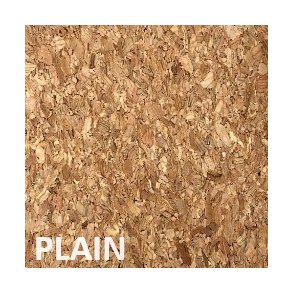
  • Cortex Plain – the most natural and minimalist version, highlighting the traditional cork texture.
  • Cortex Colour – enhanced with subtle color accents that give the surface a slightly livelier appearance.
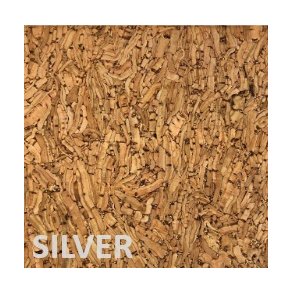
  • Cortex Silver – includes visible silver particles for a contemporary, slightly industrial style.
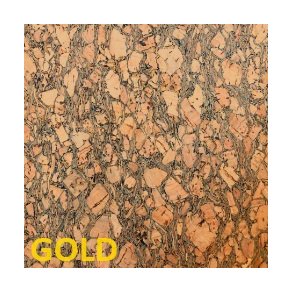
  • Cortex Gold – finished with refined gold highlights for a more elegant look.

HOW IS THIS CORK FABRIC FOR SEWING SOLD?

Our cork fabric is available by the linear yard equivalent (sold per meter), allowing you to purchase only the exact amount needed for your project instead of ordering excess material.

A single roll can measure up to 17 meters in length. For example, if you place an order for 20 linear meters, the shipment will include two rolls—one measuring 17 m and the second measuring 3 m. This is helpful to keep in mind if your design requires a continuous, seamless surface over a long span. Each roll has a width of 137 cm.

If you’re unsure how much material you’ll need, send us a message. We’ll gladly help you estimate the right quantity.


Natural cork has evolved far beyond its traditional role as a wine stopper or bulletin board surface. Today, it’s widely used in decorative wall panels, insulation materials, and also as cork veneer, cork paper, and cork fabric for sewing projects.


Thin cork veneer makes it possible to give furniture a completely refreshed appearance without replacing it. Cabinet fronts, doors, OSB boards, and other surfaces that need a stylish finish can instantly gain a new look. In homes it brings warmth and texture to interior spaces, while in cafés, restaurants, and offices it helps create a calm, natural atmosphere. It’s an easy way to transform the look of a space without starting a major renovation.


Cork fabric performs especially well in situations where a lightweight finishing layer is required. It doesn’t add unnecessary weight and adapts easily to the surface underneath. When the base structure is solid but the appearance needs updating, cork allows for a clean, aesthetic upgrade without extensive changes.


Designers who create bags and wallets value this material because it blends natural aesthetics with a modern, responsible approach to materials. It can serve as an excellent alternative to both genuine leather and synthetic options, especially for those looking for plant-based materials. The designs remain simple—and that simplicity is part of their appeal. The natural cork texture already provides an organic visual character. Color, silver, or gold accents simply add subtle highlights without dominating the overall look. This makes the material easy to incorporate into a wide variety of styles.


It’s also worth highlighting the sustainability aspect. Cork is harvested from the bark of cork oak trees without cutting the tree down. The bark regenerates over time, allowing it to be harvested repeatedly. If you’re searching for a more environmentally responsible alternative to plastic-based materials, cork is a genuinely smart and sustainable option.

Secure payments
cheapest delivery
Highest quality
Satisfaction Guarantee