

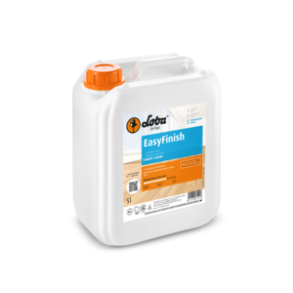
Semi-matt varnish for cork floors and cork walls WS EasyFinish 1L (Wicanders W-700)
Loba041004005
- secure payment!
- cheap shipping!
- express delivery!
In stock
149,00 USD
(excl. VAT)

Thinking about building a cork board? Before you dive in, it’s smart to pick the right material from the get-go. Plenty of options out there fall short—they wear out fast, don’t grip pins well, or end up looking cheap and plasticky. Want a solution that just works? Go with medium-grain natural cork that comes with a self-adhesive backing. It’s pin-friendly, holds everything in place, and looks clean and sharp. And installation? Super quick—no drilling, no mess. Peel, stick, done!

Perfect for Pinboards

Stylish & Durable

Hypoallergenic

Tool-Free Setup

Low-Maintenance

Eco-Friendly
It couldn’t be simpler—just peel off the backing and press the cork sheet onto your wall. That’s it!
But before you get started, keep these tips in mind:
We don’t recommend it. Rough or bumpy surfaces won’t hold the adhesive well, and the cork may peel off over time. Stick to flat and dust-free walls for best results.
Yes, and it’s more important than you might think. Giving the cork 72 hours to rest in the installation area helps it adapt to temperature and humidity, preventing bulges or peeling later.
Skipping this step can lead to a poor finish and reduced durability.
Use a sharp utility knife or cork cutter. Make sure to cut on a firm, steady surface to keep your lines clean and straight.
Absolutely. It holds pushpins securely and maintains its form over time. The surface is even and visually appealing—more so than coarse cork—and it’s tougher than fine-grain cork, which is better suited for decorative purposes.
Anywhere from 5 to 10 mm is ideal. For high-use areas like schools or offices, go with 10 mm. For home use, 5 to 7 mm works perfectly well.
We suggest using fiberboard, plywood, MDF, or HDF. These surfaces offer strong support and make sure your board stays put for the long haul.
The best solution is to use rolled cork. It provides a continuous surface and eliminates visible joins. Cork sheets work too, but you’ll likely see the seams if you’re covering a big area.
Definitely. Just make sure you’re using cork-compatible paint. Apply at least two coats for good coverage, and have a basic painting kit on hand to make the job easier.
Nope. Cork is naturally lightweight, much lighter than MDF or drywall. Its cellular structure is filled with air, which keeps it featherlight yet durable.
Planning a big project? Go with the roll—it covers more space with fewer seams. For smaller setups or DIY crafts, stick-on sheets are easier to manage.
Just wipe it down with a soft, damp cloth and a mild, pH-balanced cleaner. Skip the harsh stuff—bleach, acetone, degreasers, and all-in-one sprays can harm the cork.
Want added protection? Apply a water-resistant cork sealant for long-term durability.
Too many sticky notes, reminders, and ideas floating around with no place to keep them straight? Blank walls won’t help, and budget boards wear down in no time—especially with regular use. A peel-and-stick cork board is an easy, no-fuss solution. No drills, tools, or wall anchors—just peel off the backing and stick it where you need it.

If you want a bulletin board that actually holds up, medium-grade cork is the way to go. Its balanced texture means it’s firm enough to grip pushpins but soft enough to use over and over again. That makes it perfect for photos, memos, and daily to-dos. It's not just decor—it's a tool you'll actually rely on.
Big-box stores might offer cheaper options, but those often come with thin, flimsy cork that wears out fast. Instead of replacing your board every few months, invest in durable medium-density cork from the start. You’ll save time, money, and frustration in the long run.
With a built-in adhesive layer, forget about messy glue, lost screws, or misaligned nails. Setup is fast and frustration-free—just peel and press onto a clean, flat surface. No more drilling or patching holes in your wall.
You’ll save a ton of time—normally, you'd be measuring, leveling, drilling, and cleaning up afterwards. Skip all that. With self-stick cork, you're done in minutes. No tools, no noise, no stress.
Here’s something you might not expect: cork is naturally antistatic, which means dust and allergens don’t cling to it like they do to fabric or wallpaper. That makes it easier to keep clean—and a great option for people with allergies or asthma.
Fabric panels and wallpapers tend to trap dust and irritants. Cork does the opposite. Its surface discourages buildup, helping to maintain better air quality indoors. Breathe easier and spend less time dusting.
Cork is harvested from the cork oak tree, a renewable resource that absorbs impressive amounts of CO₂. In fact, each tree can capture several times more carbon dioxide than the average tree. Choosing cork means supporting the environment without sacrificing functionality.
It’s a sustainable, recyclable material that keeps giving back. Once your board reaches the end of its life, it won’t end up in a landfill—it can be reused or naturally decomposed. It's a small switch with a big impact.
When you buy cork, you’re choosing a product that blends smart design with responsible sourcing. It’s a step toward greener living—without compromise.
| Format | Sheet |
| Granularity | Medium-grained |
| Color | Natural |
| Length | 950 mm |
| Width | 640 mm |
| Thickness | 5 mm |
| Material | Natural cork |
| Adhesive layer | Yes |
| Possibility of return | no return possible (custom made product) |
041004005
- secure payment!
- cheap shipping!
- express delivery!
In stock
149,00 USD
(excl. VAT)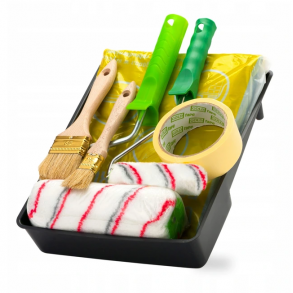
3083
In stock
128,51 USD
(excl. VAT)Customers who bought this product also bought
WNCP6300300
In stock
127,82 USD
(excl. VAT)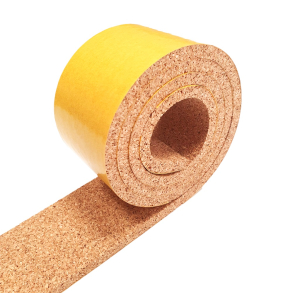
TKS5-50
In stock
151,78 USD
(excl. VAT)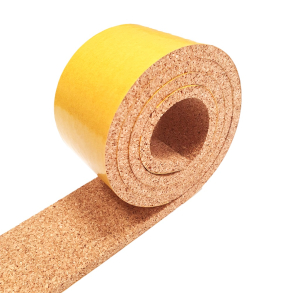
TKS5-100
In stock
180,76 USD
(excl. VAT)
PK3DCWSLG
In stock
44,88 USD for 3 pcs.
(excl. VAT) Secure payments
 cheapest delivery
 Highest quality
 Satisfaction Guarantee