
FREE SHIPPING FOR ALL ORDERS. ORDER NOW!

Currency:

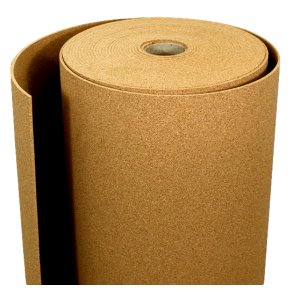
Cork roll 12mm

Finding a finish material that truly balances everyday practicality, safety, long-term durability, and effective insulation—while still being made from a natural resource—is no easy task. Many products focus either on appearance or on technical performance alone. The 12 mm cork roll stands apart, combining thermal and acoustic insulation with a clean, natural look that complements modern interiors. Available in full-length rolls as well as smaller, easy-to-handle formats, it offers flexibility for a wide range of residential and commercial applications.


Answers to the Most Common Questions

WHEN DOES IT MAKE SENSE TO USE A 12 MM CORK ROLL?

If a wall feels cold when you touch it or you notice cold air coming through, a cork roll can serve as an effective additional barrier that helps limit heat loss. At the same time, cork enhances acoustic comfort by absorbing and dispersing sound, reducing the amount of noise that travels through the wall. Unlike thin decorative wall coverings, cork provides genuine thermal insulation. It is suitable for residential spaces as well as commercial and industrial environments.

Cork rolls are also widely used as sealing material, in technical installations, and for a wide range of DIY, model-making, and hobby projects.

WHICH SIZE OF 12 MM CORK ROLL SHOULD I CHOOSE FOR A WALL?

A 12 mm cork roll is available in multiple sizes. If you plan to cover an entire wall or a large surface area, longer rolls are generally the most efficient option. For smaller projects—such as insulating or soundproofing only part of a wall—shorter rolls offer greater flexibility and easier handling.

WHAT TYPE OF ADHESIVE IS BEST FOR INSTALLING CORK ROLL INSULATION?

We recommend Wakol D-3540. This water-based contact adhesive is easy to apply and develops a very strong bond once it dries, ensuring that the cork remains securely attached to the wall over time.


One of the first things you’ll notice after installing a cork roll is that the wall feels noticeably warmer. In areas where walls typically feel cold, cork creates an extra thermal buffer. This can be especially beneficial behind a bed in a bedroom, in a child’s room, or near a desk where you spend extended periods of time. In addition, cork’s natural structure helps absorb sound and reduce noise transmission, resulting in a quieter, more comfortable living space.


Improved insulation directly translates into lower energy costs. This isn’t a gimmick—it’s simple physics. When walls release less cold air, rooms stay warm longer, reducing the workload on your heating system. The difference becomes particularly noticeable during colder months.


Cork is a natural, eco-friendly material that is safe, clean, and well suited for people with allergies. It does not emit dust or harmful substances, supporting better indoor air quality. Thanks to its antistatic properties, dust is less likely to cling to cork surfaces compared to many other wall finishes, which means cleaner air and less frequent cleaning. For individuals with asthma or sensitivity to indoor air conditions, this is a meaningful advantage.


Finally, cork is a wall solution whose popularity continues to grow—and for good reason. It is increasingly used in bedrooms, kids’ rooms, home offices, and even rental properties because it combines durability with everyday practicality. Cork is also a renewable resource, harvested from the bark of cork oak trees without cutting them down. In short, it’s a wall covering that performs well, looks great, and comes from a sustainable source.

Secure payments
cheapest delivery
Highest quality
Satisfaction Guarantee