FREE SHIPPING FOR ALL ORDERS. ORDER NOW!

Currency:

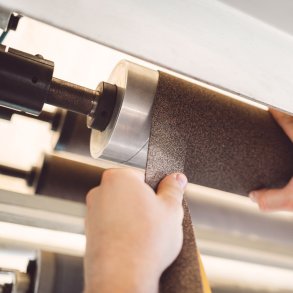
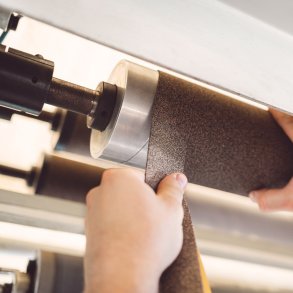
Rubber cork roller coverings

In coating lines and rewinding equipment, even a small loss of traction can disrupt the entire operation. The consequences are easy to notice: lower productivity, frequent manual adjustments, and costly downtime that’s hard to explain to customers. When the web begins drifting and standard machine adjustments no longer correct the issue, the root cause is often insufficient grip on the roller surface. In situations like this, adjusting settings alone rarely solves the problem — what’s needed is a reliable anti-slip surface. Rubber cork roller coverings help increase friction between the roller and the processed material, reducing slippage and supporting smoother, more stable production. If you’re unsure whether this type of covering would work for your setup, share some details about your operating conditions and the material you process. Our team can help determine whether a cork-rubber solution is the right fit for your application.


Have questions? Here’s what you need to know.

WHAT IS CORK-RUBBER?

Cork-rubber roller covering is a high-friction surface layer designed for rollers and cylinders used in machines that handle roll-fed materials. Its main role is to increase grip between the roller and the material, helping prevent slippage and improving the consistency of the process.


The material itself combines natural cork with SBR rubber. This combination provides several practical benefits in industrial environments:

  • improved traction on the roller surface,
  • smoother material flow without sudden tension spikes or jerky movements.

WHERE ARE CORK AND RUBBER ROLLER COVERINGS USED?

These coverings act as anti-slip roller surfaces in a wide range of industrial equipment, including:

  • film coating machines,
  • rewinding systems,
  • polypropylene film production lines,
  • slitting equipment,
  • printing and flexographic presses,
  • winding machines,
  • laminating lines,
  • packaging machinery,
  • and other roll-to-roll processing systems.

When isn’t cork-rubber the right solution? If the root cause of the problem is misaligned rollers, worn bearings, or incorrect tension settings, simply replacing the roller covering may not fully resolve the issue.

HOW DO YOU CHOOSE THE RIGHT ROLLER COVERING SIZE?

Our standard cork-rubber roller covering is supplied in a width of 50 mm. If you need a different width, contact us and we’ll review your application to suggest the most suitable option.

For smaller guide rollers, a narrower strip (25–50 mm) is usually sufficient. It’s easier to install, allows more precise placement, and doesn’t add unnecessary weight to the machine.

Larger rollers, on the other hand, typically use wider coverings (75–100 mm). The increased contact area helps ensure more stable material transport.


How should a roller be measured? Two key dimensions are required:

  • roller diameter — to determine the circumference and required material length,
  • working width — the area where the roller actually contacts the material.

The covering should protect the section of the roller that comes into contact with paper, film, or fabric during operation.


What types of issues do manufacturers typically bring to us? In many cases, it’s material slipping on rollers, inconsistent web tracking, or constant adjustments that consume time without fixing the underlying problem. These issues often lead to production interruptions, emergency corrections, and increasing operational losses. In such situations, cork-rubber covering can help because it significantly improves traction. When the material begins drifting, wrinkling, or requires constant monitoring, added friction helps stabilize the web and restore smoother operation.


Thanks to the combination of natural cork and SBR rubber, the material provides balanced mechanical properties. Its structure slightly cushions contact with the moving material, which helps reduce sudden tension changes and abrupt motion. In practical terms, this means longer service life, fewer replacements, and a lower risk of unexpected downtime — all of which contribute to lower operating costs.


Not sure if this solution fits your application? Feel free to reach out. Tell us what type of material you’re processing. We’ll review the details and recommend the most appropriate option for your setup.

Secure payments
cheapest delivery
Highest quality
Satisfaction Guarantee