

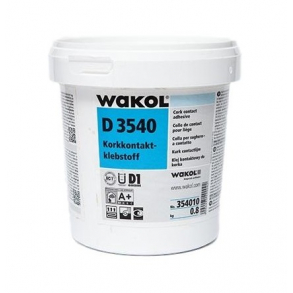
Cork contact adhesive Wakol D 3540 0,8kg
WakolD3540-0,8
- secure payment!
- cheap shipping!
- express delivery!
- cheap shipping!
- express delivery!
In stock
131,74 USD
(excl. VAT)

Tired of seeing the same factory-made cork over and over? It’s all clean-cut, boring, and lacks any spark. Our rugged cork chunks change the game. They’re bold, tough, naturally imperfect—and that’s exactly the point. No two pieces are the same, but they’re all earthy, versatile, and built to last.
Eco-Smart Pick
Craft-Ready

Crazy Light

Zero Plastic

Natural Texture

Multi-Use
They’re raw bits of real cork—roughly shaped, light as air, and naturally unique. Each chunk is a few centimeters in size and has a rustic feel. If you’re after the largest grade of cork available, this is it.
There’s a whole world of ways to use these—from DIY to decor, to professional builds.
The 10–20 mm pieces run about 135–145 kg/m³ in density. Larger ones (10–50 mm) average around 130–140 kg/m³.
It’s all about size and texture. Chunks are chunkier—they’re coarse and rugged. Granules are finer, and the finest grade—cork dust—feels like flour or fine sand.
It’s lightweight, adaptable, and tough. It holds up to moisture, doesn’t collect dust, and thanks to its antistatic nature, it’s clean and safe. Plus, it’s 100% natural and non-toxic.
Absolutely. Cork trees regenerate, the bark can be stripped multiple times, and the material fully decomposes. No synthetic product comes close to its eco-profile.
Bonus fact: cork oaks absorb more CO₂ than most broadleaf trees. And the more they’re harvested, the more carbon they capture. Cool, right?
Yes, it’s officially certified by the Polish National Institute of Public Health (PZH). That means it’s skin-safe, non-irritating, and won’t cause allergic reactions.
Right now, we’re the only company in Poland offering cork chunks with this certification.
It sure does. Cork naturally resists moisture thanks to suberin, a waxy substance in its cellular structure.
Definitely. Use cork-safe paints, or go with water-based or acrylics. Skip solvent-based paints—they can damage the cork.
To trim the pieces, a sharp craft knife will do the trick.
The cork is processed using a mechanical grinding method that puts every bit of the raw material to work. The end result is lightweight, useful, and still 100% natural.
Each piece is a few centimeters in size, but none look the same. That raw, organic shape? That’s what gives them their charm.
Cork doesn’t try to be flawless or artificial — and that’s exactly why it stands out. Every chunk of cork is shaped by nature itself: raw, rough around the edges, and packed with personality. This isn’t a mass-produced material — and not a single tree is harmed during harvest.

These cork pieces don’t come from a mold or production line — each one is different in size, texture, and feel. Some are more porous, some are denser, and most don’t follow any rules — that’s what makes them so compelling. They’re tough, premium quality, and naturally beautiful — no filters needed.
The cork you’ll spot at chain retailers is often too dense and overly processed. Real cork is in a league of its own. Pick one up and you’ll notice right away — it’s lightweight, soft to the touch, and refreshingly imperfect. There’s no comparison.
Need a material that won’t weigh down your ideas? Whether you’re building displays, set pieces, school projects or prototypes, these cork chunks are incredibly light. They’re ideal where weight needs to stay minimal but insulation (thermal or acoustic) still matters.
Natural cork is a go-to material for eco-conscious makers: easy to work with, durable, and surprisingly feather-light. No special tools or machines necessary — just creativity and a bit of time. Its low density makes it extremely user-friendly.
Cork is chemically stable and holds its own in rough environments. While other materials fade or break down, cork maintains its form and integrity. Its natural resilience makes it a smart choice for long-term use — dependable, practical, and safe.
Another bonus? Cork is a “gentle touch” material — no scratching, no scuffing. Perfect for settings where surface protection matters, like creative installations or sensitive furniture applications.
Flexibility and compression resistance also make cork great for padding, insulation layers, floor underlays, and even sports gear. One material, endless uses.
Synthetic fillers are usually melted-down plastic waste — rubber, polymers, and the like. They may look the part, but they’re still repurposed industrial leftovers. Genuine cork comes straight from the tree — no factories, no smoke, no chemicals. It’s like the difference between a real houseplant and a fake one — you can feel the life in it.
Plastic alternatives eventually wear out, flake off, and release micro particles — most too tiny to see, but they pollute anyway. Cork is clean, biodegradable, and planet-safe. When it breaks down, it decomposes like a twig or fallen leaf — no harm left behind.
| Fraction | 10-50 mm |
| Volume | 10 kg |
| Color | Natural |
| Material | Natural cork |
D3540-0,8
In stock
131,74 USD
(excl. VAT)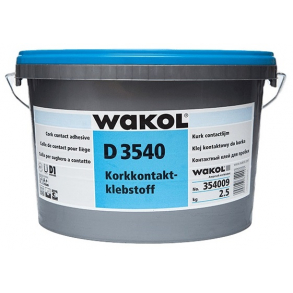
D3540-2,5
In stock
147,86 USD
(excl. VAT)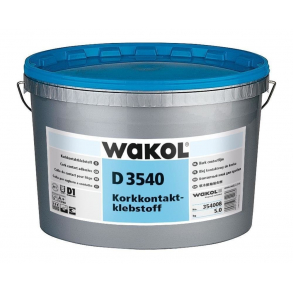
D3540-5,0
In stock
169,75 USD
(excl. VAT)Customers who bought this product also bought

AKDR5121B-4
In stock
129,22 USD
(excl. VAT)
PK010-10
In stock
233,69 USD
(excl. VAT)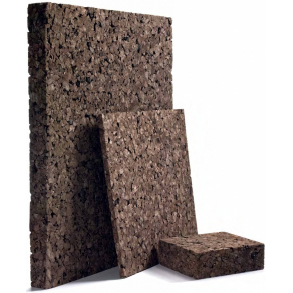
KE-100
In stock
164,33 USD
(excl. VAT)
RKS2
In stock
133,11 USD
(excl. VAT) Secure payments
 cheapest delivery
 Highest quality
 Satisfaction Guarantee