

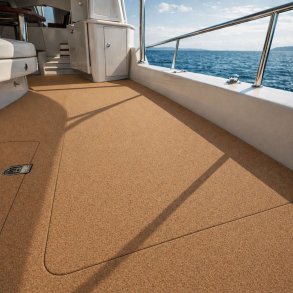
Cork decking for marine boats SeaKork 4mm x 1m Cork boat deck flooring LIGHT
Cork MinistryRK-4U-M
- secure payment!
- cheap shipping!
- express delivery!
- cheap shipping!
- express delivery!
In stock
234,48 USD
(excl. VAT)

If the deck of your boat becomes slippery and the sun heats it so much that walking barefoot feels almost impossible, it quickly turns from a small inconvenience into a real problem. What can you do about it? Marine Cork? Sea Cork? Not quite. In many situations like this, Natural Cork Boat Lining proves to be a very practical option. Instead of installing bulky synthetic deck systems or covering the surface with additional plastic materials, you can choose a solution that naturally improves traction while helping to keep the deck cooler.

Anti-Slip Surface

Natural Material

Safe

Marine-Grade Durability

Long-Lasting

Comfortable Underfoot
If your deck becomes slick and uncomfortably hot in direct sunlight, cork can be a smart upgrade—especially if you want to improve safety without adding unnecessary weight to the boat.
What makes cork unique? Its internal structure contains millions of microscopic air pockets. Because of this:
Appearance matters too. Cork gives the deck a warm, organic look that feels premium without appearing overly technical or artificial.
When might cork not be the best choice?
Yes — the material is available by the square meter. The maximum roll lengths are:
Not sure which version is right for your boat? Tell us about your setup — photos of your deck are welcome too. We’ll gladly help you choose the most suitable option.
Compared to wood, cork is significantly lighter, which can help reduce the overall weight of your vessel.
Because cork has a naturally porous structure, it also provides better traction underfoot. This helps lower the risk of slipping—especially when the deck is wet. Wooden decks, even when treated with anti-slip coatings, can still feel smoother in comparison.
EVA foam is often lighter and sometimes cheaper, but under strong sunlight it can become hotter than cork. Over time, it may also lose its original surface texture. Cork is a natural material that avoids the typical “plastic” feel and tends to age more gracefully.
Yes, cork decking can easily be trimmed to fit custom deck layouts or unusual shapes.
Just remember — accurate measurements and careful layout planning before cutting will help you use the material efficiently.
Decorative designs can be achieved through precise cutting and routing of the cork surface. The grooves and seams are then filled using BOSTIK Simson MSR Deck Caulk Advance, a sealant developed specifically for marine environments. After the filler cures, the entire deck is sanded to create a smooth and even finish.
To complete the process, apply CorkCoat sealant. This helps protect the surface and highlights the natural character of cork.
Yes! Cork’s anti-slip surface increases safety onboard. Because it is naturally hypoallergenic and antistatic, it’s also a great option for people who suffer from allergies or asthma.
A brief lapse in attention, wet feet, or a quick movement while securing the boat can be enough to lose your footing. Slipping on deck is more than just uncomfortable — it can lead to injuries, disrupt a day on the water, and turn a relaxing outing into a situation that demands constant awareness. Natural cork anti-slip flooring for boats helps reduce this risk where it begins. Many yacht owners choose it as a way to improve onboard safety without increasing deck weight or relying on additional synthetic materials.

Anyone who spends significant time on a yacht understands how demanding marine conditions can be for deck surfaces. Moisture, salt spray, intense sun exposure, and fluctuating temperatures continuously affect the material. That is why selecting the right decking is important — not just for visual appeal but especially for reliable real-world performance. This is where cork demonstrates clear advantages.
We regularly hear from boat owners who return after only a few seasons because their synthetic deck has begun to peel, fade unevenly, or show visible wear. While the initial price may seem attractive, replacement costs quickly change the picture. Because of this, natural cork is often preferred when long-term durability in demanding marine conditions matters.
Appearance certainly plays a role on any boat, but practicality usually comes first. A deck surface needs to perform well before anything else. Once that requirement is met, aesthetics follow. Cork manages to deliver both.
Its warm, organic tones and distinctive texture create a refined and clean look without feeling artificial. This makes cork suitable for both classic sailing yachts and contemporary motorboats.
For boat owners who prefer not to add yet another plastic-based layer to their deck, cork offers a more natural alternative. It is harvested from the bark of the cork oak tree without cutting the tree down, making it a renewable resource.
The bark naturally regenerates every 9–12 years, and harvesting it does not damage the tree. In fact, responsible harvesting can even help extend the lifespan of cork oaks, allowing them to live well beyond 150–200 years.
| Format | Roll |
| Color | Dark brown |
| Density | >600 kgs/m³ |
| Maximum length of one roll | 11 m |
| Width | 1 m |
| Thickness | 6 mm |
| Material | Natural cork, Rubber |
RK-4U-M
In stock
234,48 USD
(excl. VAT)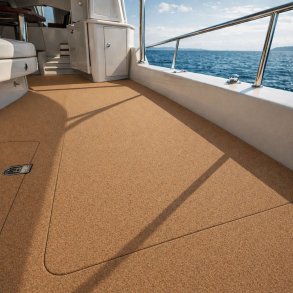
RK-5U-M
In stock
239,22 USD
(excl. VAT)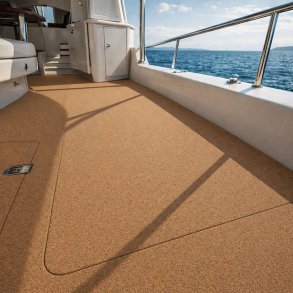
RK-6U-M
In stock
243,97 USD
(excl. VAT)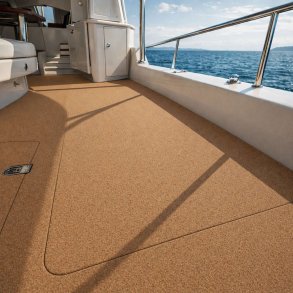
RK-8U-M
In stock
253,45 USD
(excl. VAT)Customers who bought this product also bought
D3540-0,8
In stock
135,39 USD
(excl. VAT) Secure payments
 cheapest delivery
 Highest quality
 Satisfaction Guarantee