

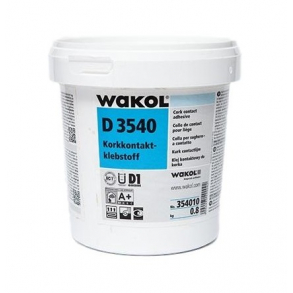
Cork contact adhesive Wakol D 3540 0,8kg
WakolD3540-0,8
- secure payment!
- cheap shipping!
- express delivery!
- cheap shipping!
- express delivery!
In stock
131,74 USD
(excl. VAT)

Chilly walls can make your whole home feel uncomfortable. A fresh coat of paint won’t warm them up, and wallpaper only adds decoration — not insulation. When the cold seeps through the walls, you feel it not only in the room temperature but also in your heating bill. So, what’s the fix? From years of testing, we’ve learned that a 12 mm Cork Roll can make a big difference: it adds warmth, reduces noise, and looks great doing it. Install it once and enjoy reliable comfort for years ahead.

Warmer Walls Every Day

Reliable Wall Protection

Less Household Noise

Clean & Dust-Free

Healthier Indoor Air

Built to Last
An extra-thick 12 mm layer of cork offers far more insulation than thin decorative cork sheets. This thickness is meant for serious thermal and acoustic insulation, suitable for both home improvement and industrial applications.
When your walls feel cold, cork acts like a buffer that helps keep warmth inside. It also absorbs and softens noise, preventing sound from traveling through the wall. Perfect for families, home offices, or anyone who wants a quieter, cozier living space.
Note: this type of cork is not designed to go under floors. If you need flooring underlayment, choose cork underlay sheets.
Here’s an easy guide:
Absolutely — a 12 mm roll is a true insulation layer, not just a visual accent. If you want only the textured cork look, thinner sheets (2–4 mm) work fine. But for noticeable insulation, thicker is the way to go.
Yes, definitely. A 12 mm cork roll works extremely well for warming up cold exterior walls. The surface becomes warmer to the touch and helps block the sensation of cold air drifting in.
You can cover an entire wall, but it’s not always necessary. Even partial installation — behind a bed, next to a desk, or near a baby’s crib — can make a huge difference. That’s why we also offer smaller cork roll formats for targeted insulation.
Choose between full-length rolls and smaller sheets. Both provide the same insulation benefits — the only difference is the size, so you can match the product to your project without waste.
Cork is a highly versatile material. Besides wall insulation, it’s also great for:
For big projects like covering a whole wall, a roll is the best option. Long, continuous strips mean fewer seams and a faster installation process.
Cork sheets work well for small-scale projects, but for larger applications they take more time and leave more visible joints.
Yes. Natural cork is hypoallergenic. It doesn’t release dust, attract dirt, or emit irritants. It’s a safe choice for people with allergies, asthma, or chemical sensitivities.
Foam mats may cost less, but that’s where their benefits end. Cork is a natural and eco-friendly alternative to synthetic materials. It provides thermal and acoustic insulation without dust, chemicals, or unpleasant odors.
Wakol D-3540 is an excellent option — a water-based contact adhesive that bonds firmly and is easy to work with.
Average use is 150–250 g/m². One 0.8 kg container covers about 4 m², while 2.5 kg covers roughly 12.5 m².
Use a soft cloth or a gentle sponge, either dry or slightly damp.
Avoid harsh scrubbing, excess water, or aggressive cleaners — cork is natural and porous, so gentle care works best.
Finding finishing materials that are truly practical, long-lasting, safe, and genuinely natural isn’t easy. Cork is the rare exception. It’s a natural, hypoallergenic material that works on multiple levels — it insulates, softens sound, and adds everyday comfort to your home.

If your walls often feel chilly, natural cork is an easy way to cut down that cold and make your living space more comfortable. Once installed, it creates a natural layer of insulation that helps your walls feel noticeably warmer. This makes a big difference in bedrooms, behind the headboard, around a workspace, or in kids’ rooms. Cork also reduces noise, helping create a calmer environment where you can work, unwind, or enjoy quiet time.
It can also lower your heating costs. Thanks to better insulation, rooms hold onto warmth for longer, so your heating system doesn’t have to run as often. Over time, that means real savings on your energy bills.
Very few finishing materials can honestly be called “healthy,” but cork is one of them. It’s natural, free from harmful emissions, and doesn’t release dust. Another major advantage — especially for allergy sufferers — is that cork doesn’t attract dust. Its antistatic surface keeps particles from sticking to it.
That means less dust floating around your home — and less cleaning. People with asthma particularly appreciate this, as do anyone who wants a cleaner, fresher indoor environment. Cork is also a breathable material, which means it naturally helps balance indoor humidity and climate.
More and more homeowners are turning to cork when they want to improve insulation or acoustic comfort without taking on a major renovation. It’s a simple upgrade that can be installed quickly, with minimal disruption — and the difference is noticeable almost right away. People use cork on walls in bedrooms, nurseries, home offices, and even in rental spaces.
Another big reason for its popularity: cork is a renewable resource harvested from the bark of the cork oak tree — the tree doesn’t need to be cut down. So you’re choosing a solution that not only works well but also has a much smaller environmental impact.
| Format | Roll |
| Color | Natural |
| Length | 50 m |
| Width | 1 m |
| Thickness | 12 mm |
| Material | Natural cork |
| Installation | Glue |
| Adhesive layer | No |
D3540-0,8
In stock
131,74 USD
(excl. VAT)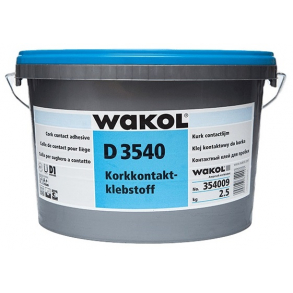
D3540-2,5
In stock
147,86 USD
(excl. VAT)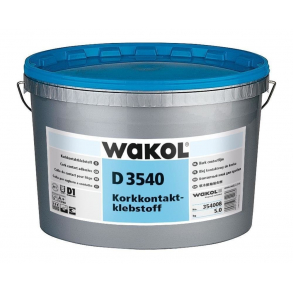
D3540-5,0
In stock
169,75 USD
(excl. VAT)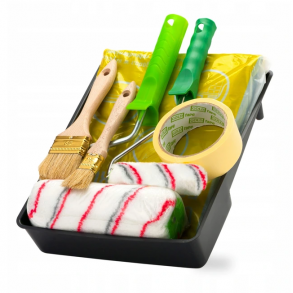
3083
In stock
128,51 USD
(excl. VAT)
041004005
- secure payment!
- cheap shipping!
- express delivery!
In stock
149,00 USD
(excl. VAT)
ZPM
Delivery time: 1 week
144,83 USD
(excl. VAT)
ZPD
Delivery time: 1 week
158,62 USD
(excl. VAT) Secure payments
 cheapest delivery
 Highest quality
 Satisfaction Guarantee