FREE SHIPPING FOR ALL ORDERS. ORDER NOW!

Currency:

Rubber cork material
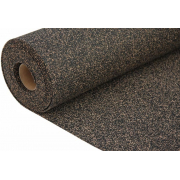
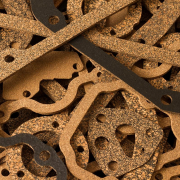
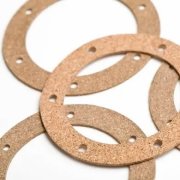
Whether you're working with flooring systems or precision technical parts, performance expectations keep climbing. Yet many conventional materials simply can’t keep up. Recurring damage, persistent leaks, shifting components, and ongoing replacements lead to downtime and unnecessary costs. After all, no one invests in a solution expecting to revisit the same issue just months later. Interestingly, the problem rarely starts with the design itself. Is the floor making noise? Are seals wearing out sooner than they should? In many cases, the real weakness lies in the material selection—not the installation. That’s where Rubber Cork makes a measurable difference. Engineered for reliability, it delivers long-term durability in high-demand applications, including industrial and technical environments where performance truly matters.


No products found.

Rubber Cork Explained: Performance, Applications, and Smart Use Cases

WHAT EXACTLY IS RUBBER CORK?

Rubber cork is a high-performance composite material that blends natural cork with rubber to create a balanced, resilient solution. It is produced by bonding cork granules and rubber particles with a polyurethane-based adhesive under pressure. The result is a hybrid material engineered for durability and flexibility.

It’s not simply cork, and it’s not solid rubber either. Instead, rubber cork combines the structural stability of cork with the elasticity of rubber. It’s available in multiple formats, including underlayment sheets, custom-cut panels, and continuous rolls, making it adaptable across a wide range of building and industrial environments.

WHERE IS RUBBER CORK MOST EFFECTIVE?

Rubber cork performs best in applications where traditional foam or felt underlayments break down under sustained pressure. Over time, lower-quality materials can compress permanently, leading to uneven surfaces, noise, and reduced performance.


In demanding environments, rubber cork offers a long-term structural advantage:

  • Rubber cork underlayment for flooring systems – enhances load distribution, improves floor stability, and provides noticeable comfort underfoot. Ideal for high-traffic residential or commercial spaces.
  • Rubber cork sheets for gasket fabrication – allow precise cutting for industrial sealing applications. The material conforms well to surfaces and maintains dependable sealing performance. Resistant to oils and grease.
  • Rubber cork roll stock for custom gasket production – well-suited for longer sealing runs or non-standard configurations requiring uninterrupted material continuity.
  • Rubber cork coverings for industrial rollers – commonly used in winding, slitting, printing, laminating, and converting equipment.

Not sure which format fits your project? Reach out to our team and we’ll help you determine the best solution.


When might rubber cork not be necessary?

  • If you’re looking for a short-term, budget-only solution.
  • In light-duty residential settings, standard cork underlayment may be fully sufficient.

In those cases, upgrading to rubber cork may not provide additional value.

WHEN DOES RUBBER CORK UNDERLAYMENT MAKE SENSE?

A rubber cork underlayment is a strong choice if:

  • your flooring experiences consistent, heavy foot traffic,
  • you want dimensional stability that holds up over time,
  • sound reduction and thermal comfort are priorities.

The material maintains its resilience even under repeated compression, making it a reliable long-term component in flooring assemblies.

CORK OR RUBBER CORK — WHICH SHOULD YOU CHOOSE?

The right choice depends on your flooring type, moisture exposure, acoustic goals, point loads, and whether radiant floor heating is involved. In many homes, cork alone provides excellent performance — particularly when the subfloor is not subject to heavy mechanical stress. It works especially well beneath floating floor installations.

However, in higher-demand environments, rubber cork delivers added durability. It absorbs impact forces, dampens vibration, and maintains structural integrity where softer materials tend to degrade.

If you’re weighing your options, contact us for tailored guidance based on your specific application.


Rubber cork brings together the benefits of natural cork and engineered rubber into a single, versatile material. The combination results in flexibility, durability, and long service life. When properly installed, it resists cracking, crumbling, and premature wear — often lasting for many years under normal operating conditions.


Compared to foam or felt products, rubber cork provides improved long-term stability. Foam is cost-effective but compresses quickly. Felt feels soft yet struggles with moisture exposure. Solid rubber is durable but lacks cork’s insulation properties. Rubber cork offers a well-balanced performance profile suitable for both residential and industrial use.


Additionally, rubber cork contains natural cork, a renewable resource harvested without cutting down trees. The bark regenerates naturally, reducing environmental impact and supporting responsible material sourcing — all while maintaining the mechanical standards required in modern technical applications.

Secure payments
cheapest delivery
Highest quality
Satisfaction Guarantee