



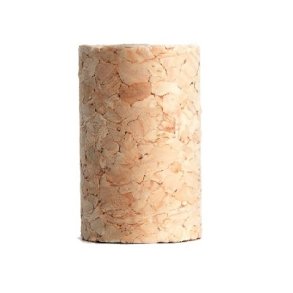
Cork stoppers SELO1 44x24mm for still wines
Cork MinistryCS4424S1
- secure payment!
- cheap shipping!
- express delivery!
- cheap shipping!
- express delivery!
In stock
1,35 USD for 100 pcs.
(excl. VAT)
Reliable Seal Every Time

Dependable Craftsmanship

Flavor Preservation

Built for Performance

Ideal for Still Wines

Safe & Natural Choice
These cork closures are perfectly suited for all types of still wines. Made from fine granules of natural cork, they ensure a tight fit in the bottle neck, helping extend freshness.
The difference lies in the composition of cork particles. While each stopper has a slightly different structure, the visual variation remains subtle.
In terms of performance, UNIQ2 absorbs up to 30% moisture, whereas UNIQ3, UNIQ4, and UNIQ5 absorb approximately 25%.
For TCA content, UNIQ2 reaches up to 1.5 ng/L, while UNIQ3, UNIQ4, and UNIQ5 maintain lower levels of up to 0.9 ng/L.
Each UNIQ cork is produced in a standard size of 44 × 24 mm.
No, these stoppers are not intended for sparkling wines. For that purpose, we recommend EXPO or VEGA closures.
The UNIQ2 model contains up to 1.5 ng/L of TCA, while UNIQ3, UNIQ4, and UNIQ5 feature levels up to 0.9 ng/L. These values are significantly lower compared to standard cork closures.
TCA (trichloroanisole) is a naturally occurring compound that can sometimes cause a “corked” aroma in wine. Importantly, it does not make the wine unsafe to drink, but it can affect its aroma and taste.
The lower the TCA content, the lower the likelihood of this issue. Choosing low-TCA corks helps preserve the wine’s intended profile.
All our cork stoppers undergo strict quality testing to minimize TCA levels.
Absolutely—natural cork is a safe and non-toxic sealing solution. Harvested from cork oak bark, it does not release harmful substances.
It also acts as a natural barrier, protecting the wine from external contaminants like dust or microorganisms during storage.
Follow these simple guidelines:
They may require slightly more effort than synthetic closures, but the difference is minimal.
Because cork creates a tighter seal, removal may feel firmer—but with a good-quality corkscrew, the process is quick and effortless.
No, cork does not alter the color of wine. Its role is to seal and regulate airflow. It has no visual impact on the wine itself.
Any color changes are typically the result of natural aging and oxidation—not the stopper.
Yes, cork is considered hypoallergenic. Unlike some synthetic materials, it does not release potentially harmful chemicals.
It’s especially suitable for wine storage, as it remains neutral and does not interact with the liquid.
Opening a bottle of wine should always feel just right. Natural cork provides a reliable, airtight seal – helping preserve freshness while preventing unwanted off-flavors. On top of that, it brings a timeless, refined look to every bottle.

When it comes to wine, details make all the difference – from the bottle design to the moment it’s opened. A natural cork closure brings subtle elegance, enhancing the experience without overstatement.
No two corks are identical – each one is shaped by nature. This uniqueness adds a distinctive character to every bottle, something appreciated by true wine enthusiasts.
Choosing cork means choosing a natural solution – free from synthetic compounds and additives. Harvested from cork oak bark, it is a renewable material sourced without harming the tree. In short, cork is nature’s own creation.
No plastic, no artificial substitutes. Cork offers an eco-conscious alternative while maintaining premium performance. It’s a simple way to support sustainability without sacrificing quality.
Natural cork excels at maintaining wine quality over time. It fits snugly into the bottleneck, creating a dependable barrier against oxygen.
It preserves aroma and flavor integrity, ensuring every bottle delivers exactly what you expect. No compromises, no surprises.
When comparing synthetic closures to natural cork, the difference becomes clear—especially with premium still wines.
For instance, plastic stoppers may lead to faster flavor deterioration. Within just a few days, the wine can lose its original character. Natural cork, on the other hand, creates an optimal seal, supporting proper aging.
Synthetic materials tend to speed up oxidation, which can negatively affect the wine. The micro-porous structure of cork allows controlled airflow, helping preserve the wine’s complexity over time.
Worried about unwanted aromas? With our corks, you don’t have to be. They feature minimized TCA levels, helping maintain the wine’s natural profile.
This means you can enjoy your wine exactly as intended—clean, balanced, and authentic. What you taste is what the winemaker intended.
Opening a bottle sealed with natural cork is more than just a step—it’s part of a long-standing tradition. For centuries, winemakers have trusted cork to protect and mature their wines.
Every cork carries a sense of history, allowing wine to develop the way it has for generations. It’s not just a closure—it’s a connection to the heritage of winemaking.
| Size | 44 × 24 mm |
| Length Tolerance | +/- 1,0 mm |
| Diameter Tolerance | +/- 0,5 mm |
| Moisture | 4% < HR < 8% |
| Density | 240 - 320 kg/m³ |
| Absorption | ≤ 25% |
| Dust | ≤ 2 mg |
| Cutting Voltage | ≥ 6 daN/cm² |
| Torsion Angle | ≥ 30 ° |
| Resistance To Boiling Water | No Breakdown |
| Seal | ≥ 2,5 bar |
| Extraction Force | 20 - 40 daN |
| Releaseable TCA | ≤ 0,9 ng/L |
| Sensory Analysis | Neutral |
| Oxidants | ≤ 0,1 mg |
CS4424S1
In stock
1,35 USD for 100 pcs.
(excl. VAT)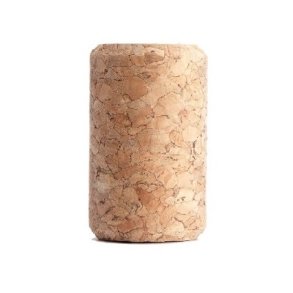
CS4424S2
- secure payment!
- cheap shipping!
- express delivery!
In stock
1,34 USD for 100 pcs.
(excl. VAT)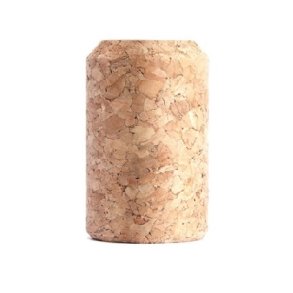
CS4729E1
In stock
1,42 USD for 100 pcs.
(excl. VAT)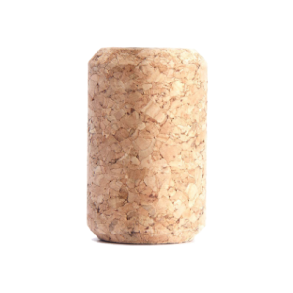
CS4729E2
In stock
1,41 USD for 100 pcs.
(excl. VAT) Secure payments
 cheapest delivery
 Highest quality
 Satisfaction Guarantee