



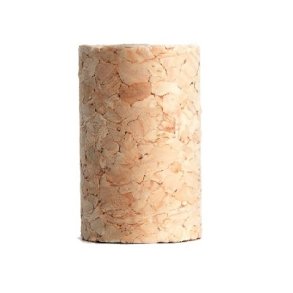
Cork stoppers SELO1 44x24mm for still wines
Cork MinistryCS4424S1
- secure payment!
- cheap shipping!
- express delivery!
- cheap shipping!
- express delivery!
In stock
1,35 USD for 100 pcs.
(excl. VAT)
Airtight

Exceptional Quality

Flavor Retention

Convenient Use

Best for Still Wines

Dependable
These stoppers are a great choice for all types of still wines. Made from smaller fragments of natural cork, they fit snugly in the bottle neck to maintain the wine's freshness.
The stoppers vary in the size of cork granules used during production.
In terms of functionality, UNIQ2 can absorb up to 30% moisture, while UNIQ3, UNIQ4, and UNIQ5 absorb up to 25%.
When it comes to TCA levels, UNIQ2 contains up to 1.5 ng/L, whereas UNIQ3, UNIQ4, and UNIQ5 contain up to 0.9 ng/L.
Each stopper measures 44 × 24 mm.
No, we recommend models like EXPO or VEGA for sparkling wines.
In the UNIQ2 stopper, the TCA level is up to 1.5 ng/L. For UNIQ3, UNIQ4, and UNIQ5, the TCA level is up to 0.9 ng/L. This is significantly lower compared to standard cork stoppers.
TCA, or trichloroanisole, is a compound that can sometimes give wine a "corked" flavor. Rest assured, the wine is safe to drink. TCA only affects aroma and taste.
Lower TCA in a stopper reduces the likelihood of this happening. Choosing low-TCA stoppers ensures your wine’s aroma stays pure.
All our cork stoppers undergo thorough testing.
Yes, cork is a natural and healthy material for sealing wine. It’s harvested from cork oak trees and does not release harmful chemicals.
Additionally, cork serves as a protective barrier, safeguarding wine from contaminants like bacteria or dust. This ensures your wine remains pure and fresh during storage.
Here are some simple tips for storage:
Removing cork stoppers might take a little more effort compared to synthetic closures, but the difference is minimal.
Natural cork provides a tighter seal, but with a good-quality corkscrew, opening the bottle is simple.
No, corks don’t alter the wine's color. Their primary role is to seal the bottle and allow minimal airflow. Cork material doesn’t affect the wine’s appearance.
Wine color evolves due to natural oxidation and aging processes, not because of the cork.
No, natural cork is hypoallergenic. Unlike synthetic materials, cork doesn’t emit chemicals that could harm your health.
For wine, natural cork is particularly safe, as it doesn’t interact with the liquid or affect its quality.
Opening a bottle of wine should feel special every time. Natural cork makes that possible – helping preserve freshness while preventing unwanted surprises. On top of that, its refined look enhances the overall presentation of the bottle.

When selecting a wine, first impressions matter – from the shelf to the moment you uncork it. A natural cork closure adds understated elegance, without overcomplicating the design.
No two corks are ever identical, making each bottle feel one of a kind. This subtle detail gives your wine a more personal character – something true enthusiasts will notice and appreciate.
Choosing cork means staying close to nature, without relying on synthetic components. It’s harvested from the bark of cork oak trees – a renewable resource that has been trusted for generations.
No plastic. No artificial substitutes. Just a natural solution that perfectly seals your wine. Cork closures reflect a conscious, eco-friendly choice while maintaining premium quality.
Natural cork is highly effective at preserving wine’s integrity. It adapts seamlessly to the neck of the bottle, forming a secure seal that limits unwanted air exposure.
It safeguards delicate aromas and flavors, helping them stay balanced over time. Every time you open a bottle, you can expect consistency and quality – just as intended.
The difference between synthetic closures and natural cork is easy to notice, especially in higher-quality wines.
For example, plastic stoppers may lead to faster flavor loss. Within just a few days, the wine can change noticeably. Natural cork, on the other hand, maintains a tight seal, helping preserve the wine even during extended storage.
Synthetic options can accelerate oxidation, negatively affecting taste. Cork, thanks to its natural structure, allows controlled breathing, supporting proper aging and flavor development.
Concerned about off-flavors? There’s no need. Our cork closures are produced with minimized TCA levels, ensuring a clean wine experience.
This means no unwanted aromas or taste defects. With these corks, every bottle delivers exactly what it should – pure, authentic flavor, without compromise.
Uncorking a bottle connects you with centuries of winemaking tradition. Natural cork has long been the preferred closure, trusted for its ability to protect and mature wine properly.
Each cork carries a legacy, allowing wine to evolve the way it has for generations. It’s more than just a seal – it’s a tribute to authentic craftsmanship
| Size | 44 × 24 mm |
| Length Tolerance | +/- 1,0 mm |
| Diameter Tolerance | +/- 0,5 mm |
| Moisture | 4% < HR < 8% |
| Density | 240 - 320 kg/m³ |
| Absorption | ≤ 25% |
| Dust | ≤ 2 mg |
| Cutting Voltage | ≥ 6 daN/cm² |
| Torsion Angle | ≥ 30 ° |
| Resistance To Boiling Water | No Breakdown |
| Seal | ≥ 2,5 bar |
| Extraction Force | 20 - 40 daN |
| Releaseable TCA | ≤ 0,9 ng/L |
| Sensory Analysis | Neutral |
| Oxidants | ≤ 0,1 mg |
CS4424S1
In stock
1,35 USD for 100 pcs.
(excl. VAT)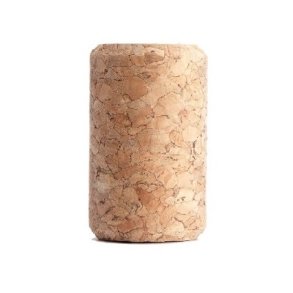
CS4424S2
- secure payment!
- cheap shipping!
- express delivery!
In stock
1,34 USD for 100 pcs.
(excl. VAT)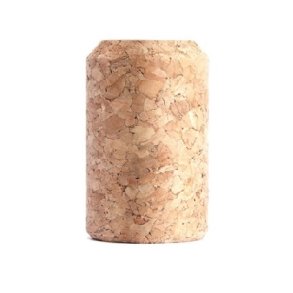
CS4729E1
In stock
1,42 USD for 100 pcs.
(excl. VAT)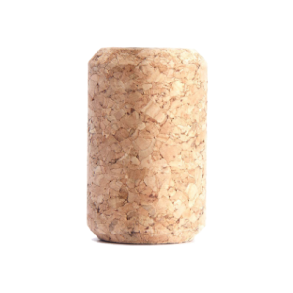
CS4729E2
In stock
1,41 USD for 100 pcs.
(excl. VAT) Secure payments
 cheapest delivery
 Highest quality
 Satisfaction Guarantee