



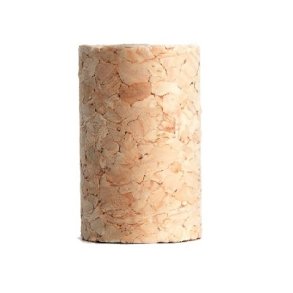
Cork stoppers SELO1 44x24mm for still wines
Cork MinistryCS4424S1
- secure payment!
- cheap shipping!
- express delivery!
- cheap shipping!
- express delivery!
In stock
1,35 USD for 100 pcs.
(excl. VAT)
Secure wine sealing

Reliable performance

Preserves flavor

User-friendly

Designed for still wines

Safe to use
These corks are suitable for all still wines. Made from finely processed natural cork particles, they adapt perfectly to the bottle neck, ensuring a tight seal and helping maintain wine freshness over time.
The main variation lies in the composition of the cork granules used. While each version has a slightly different structure, the visual differences are subtle.
From a technical standpoint, the UNIQ2 model can absorb up to 30% moisture, whereas UNIQ3, UNIQ4, and UNIQ5 absorb up to 25%.
Regarding TCA levels, UNIQ2 reaches up to 1.5 ng/L, while UNIQ3, UNIQ4, and UNIQ5 maintain a level of 0.9 ng/L.
All UNIQ corks measure 44 × 24 mm.
No, for sparkling wines we recommend using our EXPO and VEGA product lines.
The UNIQ2 model contains up to 1.5 ng/L of TCA, while UNIQ3, UNIQ4, and UNIQ5 are limited to 0.9 ng/L. These values are significantly lower than those found in standard mass-produced corks.
TCA (trichloroanisole) is a naturally occurring compound responsible for the so-called “cork taint” in wine. It does not pose a health risk, as it only affects aroma and taste.
Lower TCA levels reduce the likelihood of flavor distortion. Choosing corks with minimal TCA content helps protect the integrity of your wine.
All of our corks are carefully tested to ensure low TCA levels.
Yes, natural cork is a safe and eco-friendly closure option. Harvested from the bark of cork oak trees, it does not release harmful substances.
Additionally, natural cork acts as a protective barrier, shielding wine from external contaminants like dust and microorganisms, ensuring long-lasting quality.
For best results, follow these guidelines:
Natural corks may require slightly more effort compared to synthetic options, but this is a minor trade-off.
Because they provide a superior seal, using a quality corkscrew ensures a smooth and hassle-free opening experience.
No, natural cork does not influence the color of wine. Its primary role is sealing the bottle and allowing minimal air exchange. The material itself has no impact on color.
Color changes are typically the result of natural aging processes such as oxidation.
Yes, natural cork is considered hypoallergenic. Unlike certain plastics or metals, it does not emit substances that could negatively affect your health.
It is especially well-suited for wine storage, as it remains neutral and does not interact with the liquid inside.
When you open a bottle of wine, you expect a rich and satisfying taste. Natural cork delivers a reliable seal that helps preserve freshness and limits the risk of unwanted flavors. Its timeless, sophisticated appearance also enhances the overall presentation of the bottle.

Choosing a bottle of wine isn’t just about what’s inside—every detail matters, including how it’s opened. A cork closure signals quality and tradition, without feeling excessive.
No two corks are exactly alike—each one has its own natural texture. This gives every bottle a distinctive character. It’s a subtle touch, but one that true wine enthusiasts immediately recognize.
By choosing natural cork, you’re opting for a material straight from nature, free from synthetic components. It’s harvested from the bark of the cork oak, a long-living tree that regenerates over time. In a very real sense, wine corks come directly from nature.
No plastics, no chemical additives—just a pure, renewable material that protects your wine. It’s a small decision that reflects both environmental awareness and a commitment to quality.
Natural cork is known for its excellent sealing ability. It adapts perfectly to the shape of the bottle neck, creating a strong barrier against oxidation.
It helps retain the wine’s key aromas and flavors, keeping them vibrant for longer. Every bottle you open delivers the experience you expect—consistent and reliable.
The contrast between low-cost synthetic closures and natural cork is easy to recognize, especially with quality wines.
Plastic stoppers often cause wine to lose its freshness more quickly. In just a few days, both aroma and taste can fade. Natural cork, on the other hand, maintains a balanced seal that supports proper aging and preserves the wine’s integrity over time.
Synthetic closures can also speed up oxidation, which negatively impacts quality. Natural cork, thanks to its micro-porous structure, allows controlled oxygen exchange, helping maintain flavor and aroma as the wine develops.
Worried about cork taint? There’s no need. Our corks are processed to ensure TCA levels remain safely controlled.
This means you can enjoy your wine exactly as intended—clean, balanced, and true to its character. With these corks, every bottle is a dependable choice, free from unexpected off-flavors.
Opening a bottle sealed with natural cork means connecting with centuries of winemaking heritage. It’s a closure trusted by generations of vintners.
Each uncorking is part of a long-standing tradition. Natural cork allows wine to mature the way it has for hundreds of years. It doesn’t just seal the bottle—it preserves the story behind every vintage.
| Size | 44 × 24 mm |
| Length Tolerance | +/- 1,0 mm |
| Diameter Tolerance | +/- 0,5 mm |
| Moisture | 4% < HR < 8% |
| Density | 240 - 320 kg/m³ |
| Absorption | ≤ 25% |
| Dust | ≤ 2 mg |
| Cutting Voltage | ≥ 6 daN/cm² |
| Torsion Angle | ≥ 30 ° |
| Resistance To Boiling Water | No Breakdown |
| Seal | ≥ 2,5 bar |
| Extraction Force | 20 - 40 daN |
| Releaseable TCA | ≤ 0,9 ng/L |
| Sensory Analysis | Neutral |
| Oxidants | ≤ 0,1 mg |
CS4424S1
In stock
1,35 USD for 100 pcs.
(excl. VAT)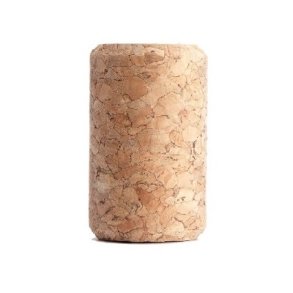
CS4424S2
- secure payment!
- cheap shipping!
- express delivery!
In stock
1,34 USD for 100 pcs.
(excl. VAT)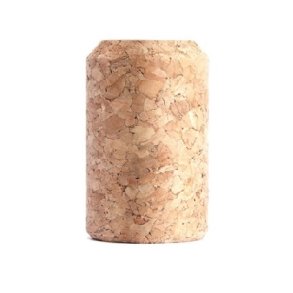
CS4729E1
In stock
1,42 USD for 100 pcs.
(excl. VAT)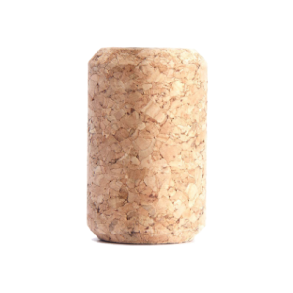
CS4729E2
In stock
1,41 USD for 100 pcs.
(excl. VAT) Secure payments
 cheapest delivery
 Highest quality
 Satisfaction Guarantee