



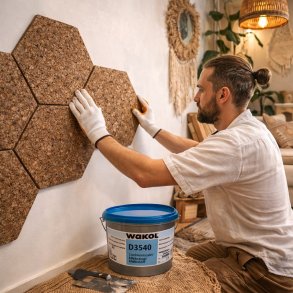
Cork contact adhesive Wakol D 3540 0,8kg
WakolD3540-0,8
- secure payment!
- cheap shipping!
- express delivery!
- cheap shipping!
- express delivery!
In stock
135,39 USD
(excl. VAT)Great architecture is all about creating spaces that stand out, and flat, ordinary walls aren't the only option. Adding texture and dimension can completely redefine the character of a building. That's where Wave L1 Expanded Cork Facade Panels come in. Featuring a distinctive wave-inspired profile, these decorative cork panels bring depth, movement, and visual interest to otherwise simple surfaces. Their sculpted 3D design creates an eye-catching interplay of light and shadow, giving exterior walls and interior spaces a unique architectural touch. But there's more to these panels than their striking appearance. Made from 100% natural cork, they also offer insulating properties, long-lasting durability, and year-round comfort. It's a smart way to combine contemporary design with the practical benefits of a natural material.
Eye-Catching 3D Wave Texture

Natural Insulating Properties

Made from 100% Natural Cork

Comfort Through Every Season

Durable, Long-Lasting Material

Ideal for Exterior and Interior Walls
Wave L1 is worth considering if you're looking to:
Wave L1 takes its visual inspiration from the movement of water. Its three-dimensional profile features flowing, wave-like contours that bring depth and rhythm to an otherwise flat surface. Instead of sharp angles and rigid geometric patterns, the design relies on smooth transitions and gently curved lines for a balanced, organic appearance.
A striking exterior is only part of what Wave L1 has to offer. Expanded cork combines architectural character with practical material properties that can make it an appealing option for new construction and renovation projects.
Wave L1 panels are installed using an appropriate adhesive. The product you choose should match the intended application:
For accurate sizing and clean edges, a fine-tooth precision wood saw is a practical choice. Other suitable cutting tools equipped with a serrated blade can also be used, provided they allow for controlled, precise cuts.
The manufacturing process behind expanded cork is surprisingly fascinating. In some ways, it resembles the way popcorn expands when heated. Small cork granules are exposed to high-temperature steam, causing them to increase in volume and develop their characteristic dark brown color. As the granules expand, they bond together to form solid blocks.
What makes this process particularly interesting is that no synthetic glue is required. Heat activates naturally occurring substances already present in the cork. These act as a binding agent, holding the expanded granules together without the need for added synthetic adhesives.
Wave L1 panels have an approximate density of 140 kg/m³ (about 8.7 lb/ft³), with a specified tolerance of ±10 kg/m³.
The thermal conductivity of Wave L1 expanded cork is λ = 0.043 W/(m·K). This value describes how readily heat passes through the material.
Each Wave L1 panel measures 1000 × 500 mm (approximately 39.4 × 19.7 inches), providing 0.5 m² of coverage (about 5.38 sq. ft.). For example, covering an area of 3 m² requires 6 panels. When calculating your order, allow extra material for cutting waste, especially around windows, doors, corners, and irregular wall edges.
The panel thickness is 50 mm (approximately 2 inches).
Wave L1 carries a European reaction-to-fire classification of Euroclass E, meaning the material is combustible. Under intense heat, cork generally behaves differently from certain synthetic materials. Rather than melting and producing flaming droplets, cork typically develops a charred surface layer. This layer may slow further heat penetration, but it does not make the material noncombustible or prevent it from burning. Before specifying Wave L1 for a building in the United States, verify that the complete exterior wall assembly complies with applicable local building and fire codes. Euroclass E should not be interpreted as a U.S. fire-test rating.
Panel seams may remain visible even with careful installation. Cork is a natural material that responds to changes in temperature and humidity. Small dimensional changes can occur as environmental conditions fluctuate. For the most consistent finished appearance, allow the panels to acclimate before installation and align them carefully during application.
Yes, acclimation is an important preparation step. Store the Wave L1 panels in the environment where they will be installed for at least 72 hours before beginning the work. This gives the natural cork time to adjust to the surrounding temperature and humidity conditions.
Exterior design doesn't have to revolve around flat surfaces, conventional siding, or materials made to imitate wood and stone. Sometimes, the most memorable architectural details come from allowing a natural material to express its own character. Wave L1 expanded cork siding panels combine the authentic texture of cork with a sculpted, three-dimensional wave pattern. The result is an exterior wall finish that introduces depth, movement, and visual interest without relying on artificial textures or unnecessary ornamentation.

Clean lines and smooth wall surfaces have their place in contemporary architecture. But a building can feel equally modern when its design incorporates softer, more organic forms. Wave L1 brings a sculptural quality to exterior walls through elongated curves that rise and fall across the panel surface.
The vertically flowing pattern creates subtle variations in depth, allowing light and shadow to highlight the relief throughout the day. From a distance, the wall appears to have a gentle sense of movement. It's a distinctive design approach for homeowners, architects, and designers who want a memorable exterior without overwhelming the overall look of the building.
The wave-shaped profile is what first draws attention to Wave L1, but the benefits extend beyond aesthetics. Expanded cork provides natural thermal insulation that can help reduce heat loss through exterior walls during colder weather. When temperatures climb, it can also help limit unwanted heat transfer into the building. Its sound-insulating characteristics offer an additional advantage by helping reduce noise transmission from the surrounding environment.
Exterior cladding has to do more than look good in photographs. It faces changing weather conditions, seasonal temperature swings, and everyday exposure to the elements. The inherent properties of expanded cork make Wave L1 an appealing choice for projects where architectural design and functional performance are both important.
Wave L1 doesn't rely on printed wood grain or a manufactured stone effect to create a natural look. These panels are made from genuine cork, showcasing the material's own distinctive color and texture. The story begins long before the cork becomes an architectural product. In Portugal, cork harvesting has been practiced for generations. Skilled workers carefully remove the outer bark of cork oak trees by hand, leaving the trees standing and able to continue growing.
Over time, the bark regenerates naturally. After several years, the same tree can be harvested again, allowing a single cork oak to provide cork multiple times throughout its life. This traditional approach depends on patience and respect for the tree's natural growth cycle. It's remarkable that a layer of tree bark can eventually become a dimensional architectural panel capable of transforming the appearance of an entire building.
| Model | Wave L1 |
| Format | Board |
| Color | Dark brown |
| Length | 1000 mm |
| Width | 500 mm |
| Thickness | 50 mm |
| Material | Expanded cork |
| Installation | Glue |
| Possibility of return | no return possible (custom made product) |
| Title | Type | Size | Download |
|---|---|---|---|
| Decorative-expanded-3D-facade-wall-natural-cork-insulation-panels-1.pdf | 4.69MB | Download |
D3540-0,8
In stock
135,39 USD
(excl. VAT)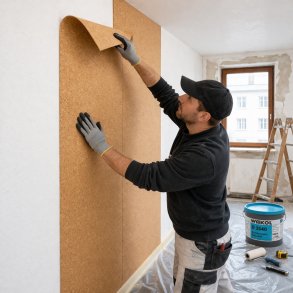
D3540-2,5
In stock
152,64 USD
(excl. VAT)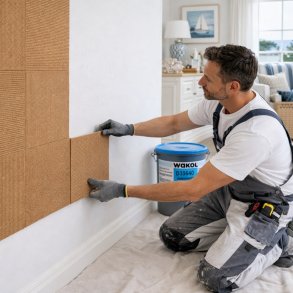
D3540-5,0
In stock
178,99 USD
(excl. VAT)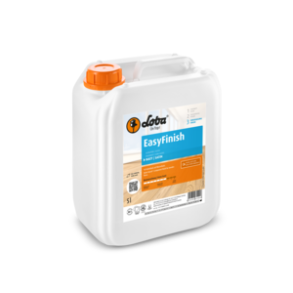
041004005
- secure payment!
- cheap shipping!
- express delivery!
In stock
149,00 USD
(excl. VAT)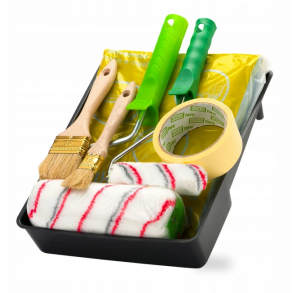
3083
In stock
128,51 USD
(excl. VAT)
ZPM
Delivery time: 1 week
144,83 USD
(excl. VAT)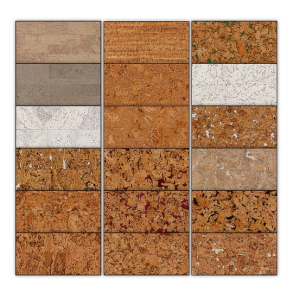
ZPD
Delivery time: 1 week
158,62 USD
(excl. VAT)Customers who bought this product also bought

KE-40CL1
Not in stock
167,21 USD
(excl. VAT)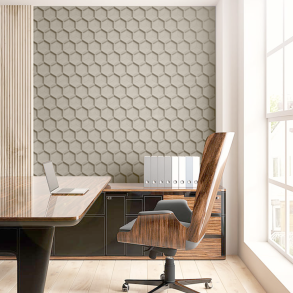
PK3DHCWH
In stock
43,51 USD for 3 pcs.
(excl. VAT)
PK3DCWLC
In stock
46,81 USD for 3 pcs.
(excl. VAT)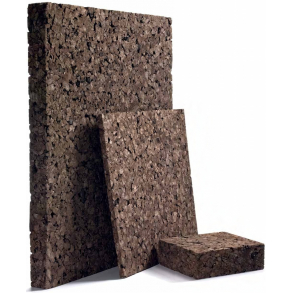
KE-50
In stock
146,22 USD
(excl. VAT) Secure payments
 cheapest delivery
 Highest quality
 Satisfaction Guarantee