

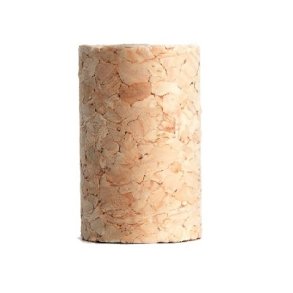
Cork stoppers SELO1 44x24mm for still wines
Cork MinistryCS4424S1
- secure payment!
- cheap shipping!
- express delivery!
- cheap shipping!
- express delivery!
In stock
1,35 USD for 100 pcs.
(excl. VAT)


Airtight

Exceptional Quality

Flavor Retention

Convenient Use

Best for Still Wines

Dependable
These stoppers are a great choice for all types of still wines. Made from smaller fragments of natural cork, they fit snugly in the bottle neck to maintain the wine's freshness.
The stoppers vary in the size of cork granules used during production.
In terms of functionality, UNIQ2 can absorb up to 30% moisture, while UNIQ3, UNIQ4, and UNIQ5 absorb up to 25%.
When it comes to TCA levels, UNIQ2 contains up to 1.5 ng/L, whereas UNIQ3, UNIQ4, and UNIQ5 contain up to 0.9 ng/L.
Each stopper measures 44 × 24 mm.
No, we recommend models like EXPO or VEGA for sparkling wines.
In the UNIQ2 stopper, the TCA level is up to 1.5 ng/L. For UNIQ3, UNIQ4, and UNIQ5, the TCA level is up to 0.9 ng/L. This is significantly lower compared to standard cork stoppers.
TCA, or trichloroanisole, is a compound that can sometimes give wine a "corked" flavor. Rest assured, the wine is safe to drink. TCA only affects aroma and taste.
Lower TCA in a stopper reduces the likelihood of this happening. Choosing low-TCA stoppers ensures your wine’s aroma stays pure.
All our cork stoppers undergo thorough testing.
Yes, cork is a natural and healthy material for sealing wine. It’s harvested from cork oak trees and does not release harmful chemicals.
Additionally, cork serves as a protective barrier, safeguarding wine from contaminants like bacteria or dust. This ensures your wine remains pure and fresh during storage.
Here are some simple tips for storage:
Removing cork stoppers might take a little more effort compared to synthetic closures, but the difference is minimal.
Natural cork provides a tighter seal, but with a good-quality corkscrew, opening the bottle is simple.
No, corks don’t alter the wine's color. Their primary role is to seal the bottle and allow minimal airflow. Cork material doesn’t affect the wine’s appearance.
Wine color evolves due to natural oxidation and aging processes, not because of the cork.
No, natural cork is hypoallergenic. Unlike synthetic materials, cork doesn’t emit chemicals that could harm your health.
For wine, natural cork is particularly safe, as it doesn’t interact with the liquid or affect its quality.
Opening a bottle of wine should be a moment of joy. Natural cork makes it special – maintaining freshness while offering an elegant presentation. It’s the ideal combination of functionality and sophistication.

A wine’s appearance matters. Cork stoppers add an air of sophistication, elevating the overall presentation without being over-the-top.
No two corks are identical, making each bottle uniquely special – something wine enthusiasts will value.
Opting for natural cork means choosing a product of nature, free from synthetic additives. It’s harvested from the bark of cork oak trees that can live for decades, offering the best natural closures. Cork stoppers are grown, not manufactured.
No plastics, no artificial materials. Just a simple, eco-friendly solution that aligns with environmental responsibility, without sacrificing quality.
Natural cork excels in keeping wine’s flavors and aromas intact. Its tight seal creates a reliable barrier against unwanted oxidation, which could degrade quality.
It locks in the wine's delicate notes, ensuring every sip meets your expectations. This level of preservation is unmatched by synthetic alternatives.
Compared to synthetic stoppers, natural cork provides noticeably better performance, especially for premium still wines. Synthetic closures often lead to quicker flavor loss.
Natural cork, on the other hand, creates an airtight seal, preserving wine quality even during extended storage. Its porous structure allows minimal, controlled airflow, enhancing the aging process.
Our cork stoppers are engineered to have low TCA levels, meaning your wine remains free of unpleasant odors or tastes.
This ensures every bottle is enjoyed exactly as the winemaker intended – with no surprises.
Using a cork stopper is more than just sealing a bottle – it’s about honoring a time-honored tradition. Cork has been the material of choice for winemakers for centuries due to its reliability.
Each cork carries a piece of history, offering the wine a chance to mature naturally, just as it has for generations.
| Size | 44 × 24 mm |
| Length Tolerance | +/- 1,0 mm |
| Diameter Tolerance | +/- 0,5 mm |
| Moisture | 4% < HR < 8% |
| Density | 240 - 320 kg/m³ |
| Absorption | ≤ 25% |
| Dust | ≤ 2 mg |
| Cutting Voltage | ≥ 6 daN/cm² |
| Torsion Angle | ≥ 30 ° |
| Resistance To Boiling Water | No Breakdown |
| Seal | ≥ 2,5 bar |
| Extraction Force | 20 - 40 daN |
| Releaseable TCA | ≤ 0,9 ng/L |
| Sensory Analysis | Neutral |
| Oxidants | ≤ 0,1 mg |
CS4424S1
In stock
1,35 USD for 100 pcs.
(excl. VAT)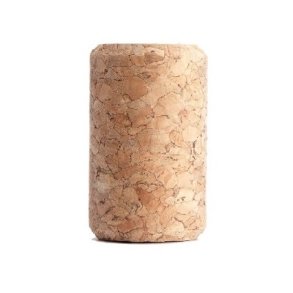
CS4424S2
- secure payment!
- cheap shipping!
- express delivery!
In stock
1,34 USD for 100 pcs.
(excl. VAT)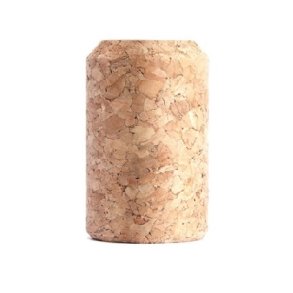
CS4729E1
In stock
1,42 USD for 100 pcs.
(excl. VAT)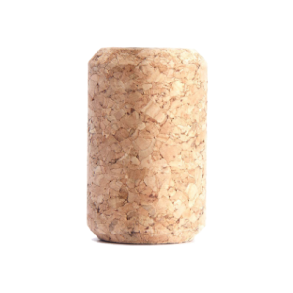
CS4729E2
In stock
1,41 USD for 100 pcs.
(excl. VAT) Secure payments
 cheapest delivery
 Highest quality
 Satisfaction Guarantee